A small spill can become a serious health and odor problem fast, especially when waste has soaked into flooring, baseboards, or porous materials. Feces/Urine Cleanup Sulphur LA is the kind of job that needs careful handling, not guesswork, because the contamination can spread beyond what you see. In Sulphur LA, families, landlords, and business owners often need help after tenant issues, illness, hoarding conditions, or an accident that left a space unsafe to use.
Fill up the form to get started
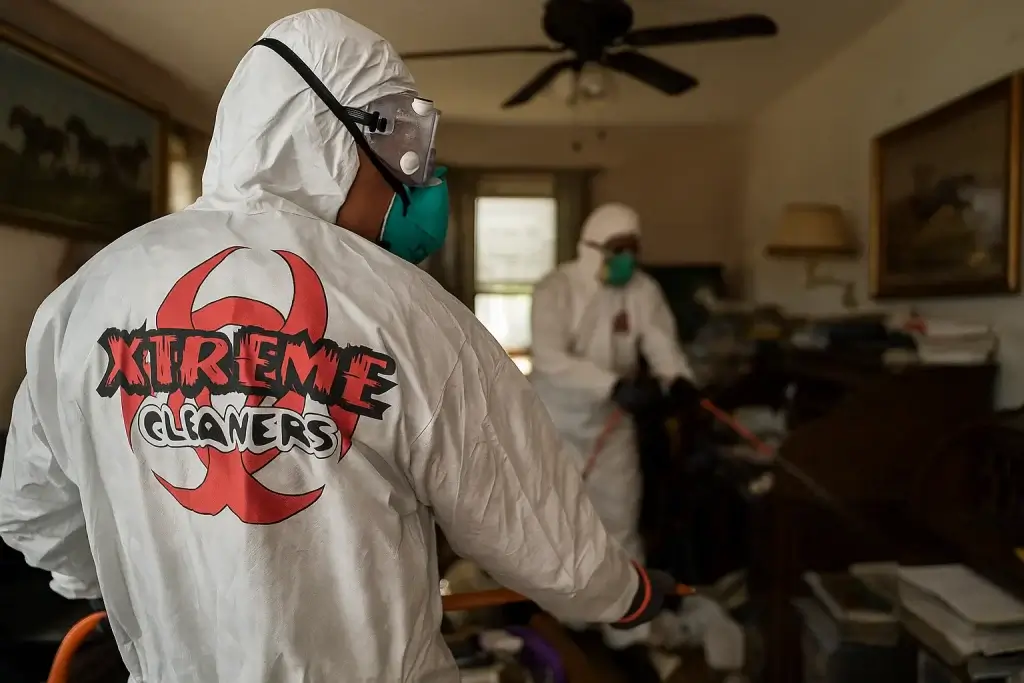
The bigger concern is not just the mess. Waste can carry bacteria, create lingering odors, and make a room harder to clean with household products. That is why many people call for professional help as soon as they realize the area has been exposed. Xtreme Cleaners responds with trained technicians who know how to isolate the affected space, remove contaminated materials, and restore safer conditions without adding more stress to your day.
You should not have to decide between trying to handle it yourself and leaving the area unusable. A proper cleanup plan gives you a safer path forward, clearer expectations, and less risk of cross contamination. Our team works with care, uses OSHA compliant procedures, and treats every situation with discretion. feces/urine cleanup sulphur la requires fast, thorough attention to remove contamination and prevent lingering odors from spreading through the property. Professional cleanup can also help protect indoor air quality and reduce the risk of bacteria in affected areas.
The first step is a direct conversation about what happened, what areas are affected, and whether the scene needs immediate containment. From there, the technician reviews the scope and explains the next steps in plain language. That matters when you are already dealing with a difficult situation, because you need answers before anyone starts work.




We evaluate affected zones and establish containment barriers. This helps prevent cross-contamination. Our assessment includes testing air surfaces and materials to map hazard presence and inform next steps.
All items that cannot be cleaned are carefully removed. This can include furniture, textiles, drywall insulation, or flooring materials. Each item is bagged, labeled, and disposed of according to hazardous waste regulations.
We use hospital-grade disinfectants and steam treatments when needed. Surfaces are scrubbed, and the ceiling, vents, floors, countertops, and concealed areas are sanitized to eliminate pathogens, chemical residues, or drug traces.
Persistent odors from decomposition waste or chemicals are treated using ozone generators, air scrubbers, and specialized deodorizing agents. Our methods neutralize odors rather than mask them.
All removed materials are transported to licensed facilities using sealed containers. Documentation accompanies waste through disposal, ensuring legal adherence and traceability.
After cleaning, we perform a detailed walkthrough with photo documentation. Third-party testing can be arranged to certify safety. We deliver a clearance report to confirm the property meets health and safety standards.
GET A FREE ESTIMATE
BY FILLING OUT THE FORM BELOW

You need a professional if waste has soaked into flooring, walls, furniture, or other porous materials. You should also call if there is strong odor, visible contamination beyond a small spot, or any concern about exposure. A trained team can assess the scene and help you avoid spreading the problem.
Yes, we can help with insurance coordination and documentation. Coverage depends on your policy and the details of the incident, so the best first step is to contact us with the situation. We can then help you understand what information your carrier may need.
Response time depends on current call volume, location, and the condition of the site. Xtreme Cleaners offers 24/7 emergency response, so urgent calls can be handled any time of day or night. If the area is unsafe or needs immediate containment, call right away.
After the cleanup, the area is reviewed for safety and documented for your records if needed. If materials were removed, you may also receive guidance on what should be replaced or monitored next. The goal is to leave you with a cleaner, safer space and a clear understanding of the next steps.
Yes, privacy is treated seriously. Our crews work discreetly, communicate respectfully, and avoid unnecessary attention at your property. Sensitive situations are handled with dignity from the first call through the final walkthrough.