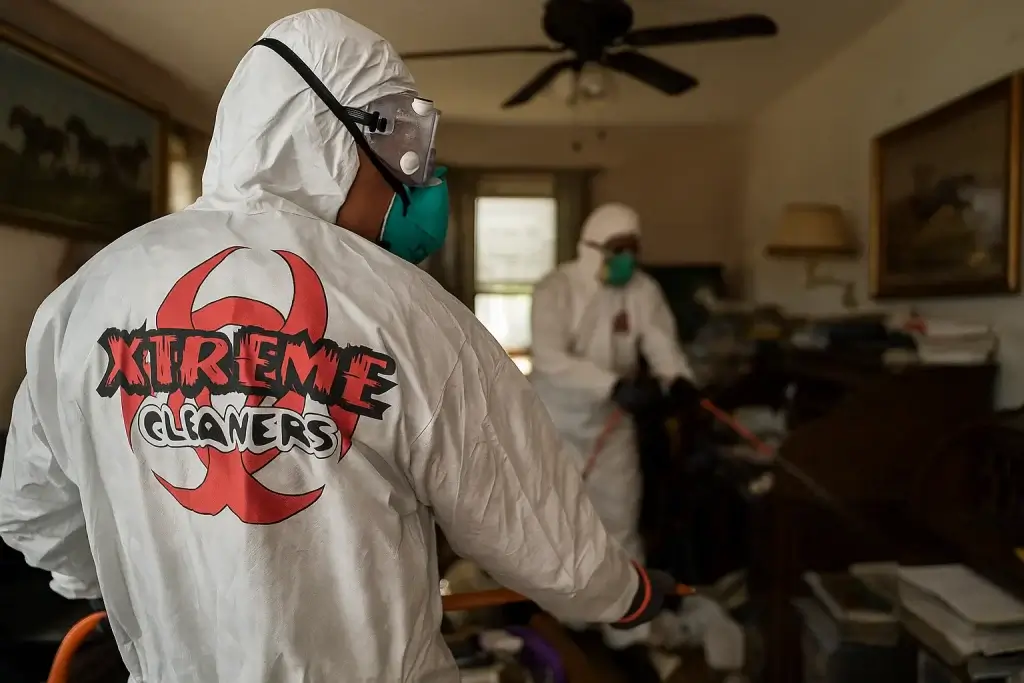
The aftermath can leave your property hard to use and even harder to trust again. Tear Gas Cleanup Slidell LA is the kind of call that needs a calm, certified crew, not guesswork, and Xtreme Cleaners is set up for that kind of response in Slidell LA. Our team moves quickly, works discreetly, and focuses on the safety concerns that matter most to you right now.
Fill up the form to get started
Residue can settle into rooms, vents, fabrics, and hard surfaces in ways that are easy to miss. That is why families, landlords, property managers, law enforcement partners, and business owners reach out for professional cleanup instead of trying to handle it alone. The goal is simple: reduce exposure, restore safe access, and give you a clear next step without adding more stress.
You should also expect the process to be handled with care from the first phone call. Xtreme Cleaners uses certified biohazard and trauma cleanup technicians, OSHA-compliant procedures, and EPA-aligned hazardous waste practices. That combination matters when you need the work done correctly and with respect for everyone involved. When you need tear gas cleanup slidell la, a calm, certified crew can help restore your property safely and thoroughly. Xtreme Cleaners handles the job with the care and expertise needed to make the space usable and trustworthy again.
This service covers much more than wiping visible residue from a room. It can involve contaminated surfaces, HVAC concerns, porous materials, odors, and items that may need removal or disposal under safety rules. The right approach depends on how far the residue spread and what parts of the property were exposed.


We evaluate affected zones and establish containment barriers. This helps prevent cross-contamination. Our assessment includes testing air surfaces and materials to map hazard presence and inform next steps.
All items that cannot be cleaned are carefully removed. This can include furniture, textiles, drywall insulation, or flooring materials. Each item is bagged, labeled, and disposed of according to hazardous waste regulations.
We use hospital-grade disinfectants and steam treatments when needed. Surfaces are scrubbed, and the ceiling, vents, floors, countertops, and concealed areas are sanitized to eliminate pathogens, chemical residues, or drug traces.
Persistent odors from decomposition waste or chemicals are treated using ozone generators, air scrubbers, and specialized deodorizing agents. Our methods neutralize odors rather than mask them.
All removed materials are transported to licensed facilities using sealed containers. Documentation accompanies waste through disposal, ensuring legal adherence and traceability.
After cleaning, we perform a detailed walkthrough with photo documentation. Third-party testing can be arranged to certify safety. We deliver a clearance report to confirm the property meets health and safety standards.
GET A FREE ESTIMATE
BY FILLING OUT THE FORM BELOW

Response time depends on the scene, access, and current emergency demand. Xtreme Cleaners offers 24/7 emergency response, so urgent calls are handled as quickly as possible based on the details you provide.
Do not scrub affected surfaces, run HVAC systems without guidance, or move contaminated items around. Those actions can spread residue and make the cleanup more difficult.
Yes, we work directly with major insurance carriers and can help coordinate documentation on your behalf. That can make the claims process easier during an already stressful situation.
Privacy is handled discreetly from the first contact through the final walkthrough. Our crews communicate respectfully, avoid unnecessary attention, and treat every client with dignity.
Yes, Xtreme Cleaners serves the Gulf Coast region from our Louisiana base. If your property is outside the immediate area, we can review the situation and confirm whether we can respond.