Lingering tear gas residue can keep a property unsafe long after the incident ends. Tear Gas Cleanup West Monroe LA is the kind of call that needs a fast, careful response, especially when you are trying to protect people, limit exposure, and get the space back under control in West Monroe LA. Xtreme Cleaners handles these situations with certified technicians, discreet communication, and a focus on safety from the first visit.
Fill up the form to get started
The biggest concern is not just the odor. Irritation can remain in the air, on surfaces, and inside fabrics or HVAC pathways, which makes the problem harder to clear without proper containment. If the scene was tied to law enforcement activity, a tenant issue, or a private property disturbance, you may also need documentation and a plan that respects privacy while moving quickly.
Waiting too long can make cleanup more complicated and can spread contamination into more rooms than the original scene. That is why our team stays available 24 hours a day, 7 days a week for urgent calls. You get a direct path to action instead of guessing what to do next or trying to clean unsafe residue on your own. When lingering tear gas residue makes a property unsafe, professional tear gas cleanup west monroe la services can help restore the space quickly and carefully. A fast response is especially important to reduce exposure risks and make the area safe for reentry.
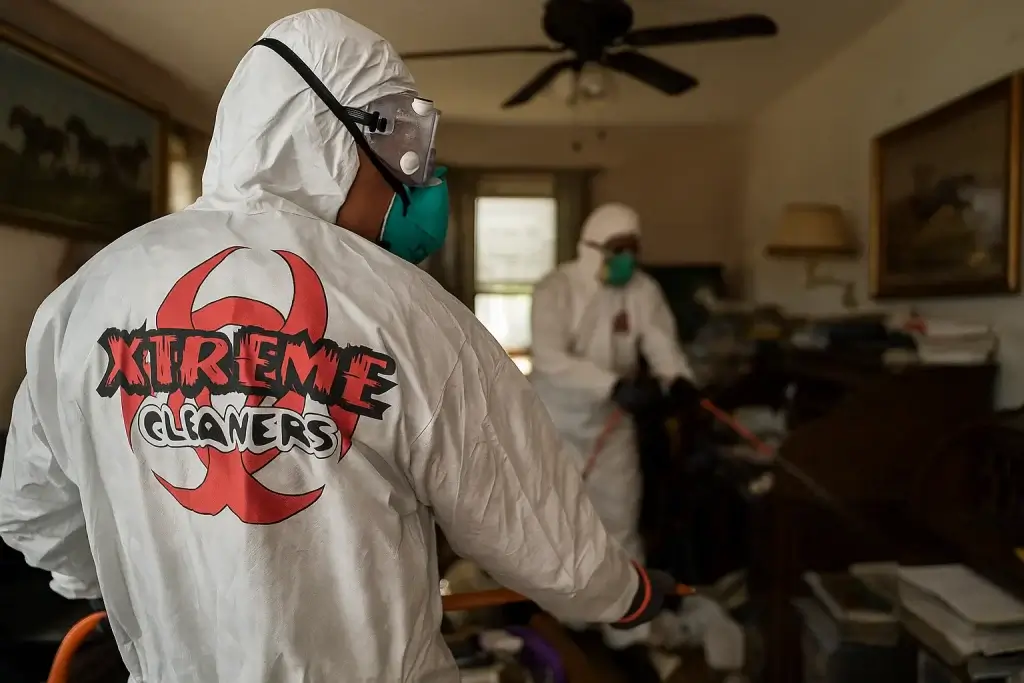
A proper response focuses on the residue left behind on hard surfaces, soft materials, and nearby touch points. It also includes odor control, containment, and careful handling of affected items that may need removal or disposal. Families, property managers, business owners, and law enforcement partners often call after a confrontation, an eviction, a protest-related incident, or any event where chemical agents have affected the property.





We evaluate affected zones and establish containment barriers. This helps prevent cross-contamination. Our assessment includes testing air surfaces and materials to map hazard presence and inform next steps.
All items that cannot be cleaned are carefully removed. This can include furniture, textiles, drywall insulation, or flooring materials. Each item is bagged, labeled, and disposed of according to hazardous waste regulations.
We use hospital-grade disinfectants and steam treatments when needed. Surfaces are scrubbed, and the ceiling, vents, floors, countertops, and concealed areas are sanitized to eliminate pathogens, chemical residues, or drug traces.
Persistent odors from decomposition waste or chemicals are treated using ozone generators, air scrubbers, and specialized deodorizing agents. Our methods neutralize odors rather than mask them.
All removed materials are transported to licensed facilities using sealed containers. Documentation accompanies waste through disposal, ensuring legal adherence and traceability.
After cleaning, we perform a detailed walkthrough with photo documentation. Third-party testing can be arranged to certify safety. We deliver a clearance report to confirm the property meets health and safety standards.
GET A FREE ESTIMATE
BY FILLING OUT THE FORM BELOW

It covers the affected surfaces, nearby materials, residue control, deodorization, and the safe handling of contaminated items. The exact scope depends on how far the residue spread and which rooms or belongings were exposed.
We provide 24/7 emergency response and work to arrive as quickly as the situation allows. Actual arrival depends on current call volume, access to the property, and the details of the scene.
Yes, we work directly with major insurance carriers and can help coordinate the claim process on your behalf. That support can simplify communication and reduce the amount of back-and-forth you have to manage.
Not always. If the residue is still causing burning, coughing, or irritation, the affected area should stay limited until a professional assessment is completed.
We use discreet operations, respectful communication, and a careful approach to the scene. Our teams are trained to treat each client with dignity and to limit unnecessary attention to the property.
We may be able to help depending on the location and service needs. The best next step is to call and confirm the address so we can review availability and response options.