A contaminated vehicle can turn a normal day into a safety problem fast. Vehicle Decontamination D’Iberville MS is the right next step when you need the interior handled carefully, discreetly, and without delay. Xtreme Cleaners responds 24/7, so you do not have to wait and wonder what is spreading inside the car or truck.
Fill up the form to get started
The biggest concern is not just what you can see. Odors, residue, and hidden contamination can stay in seats, carpet, vents, and hard to reach surfaces. That creates stress for families, property managers, and businesses that need the vehicle back in safe condition as soon as possible. Baton Rouge, LA is part of our service reach, and we bring the same professional standards to urgent calls in D’Iberville.
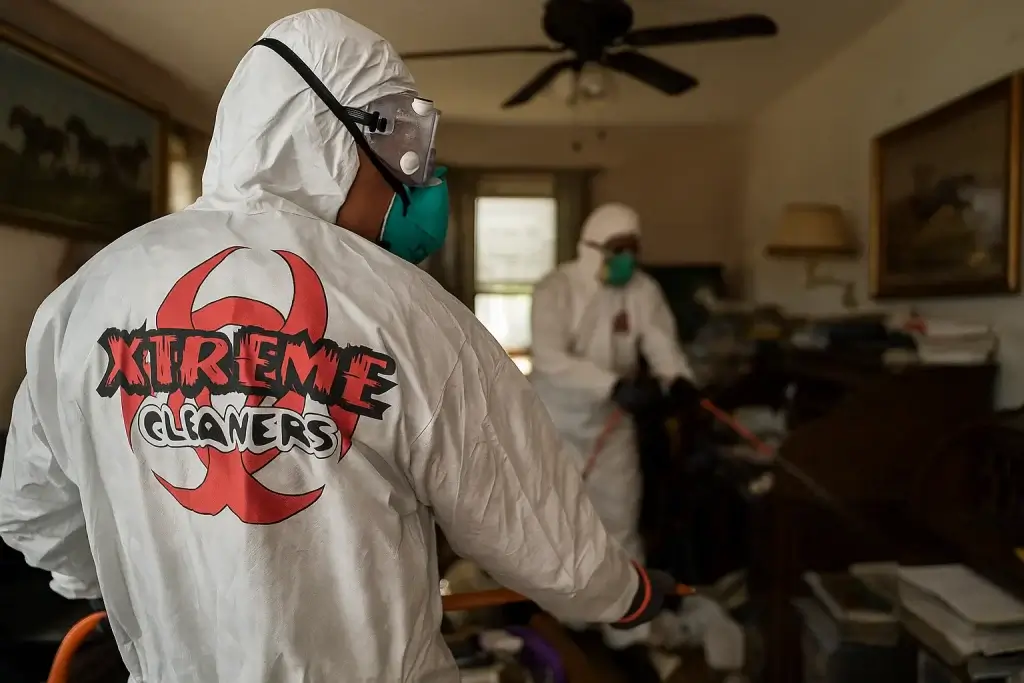
You should not have to guess whether a vehicle is truly clean after a traumatic or hazardous event. Our team uses trained biohazard and trauma cleanup methods, along with the right containment and sanitation equipment, to reduce risk and restore the space with care. The goal is simple: protect people, protect the vehicle, and move you forward. When a contaminated vehicle becomes a safety concern, professional vehicle decontamination d’iberville ms can help restore the interior safely and discreetly. This service is designed to remove hazardous materials, reduce health risks, and get your vehicle back to a clean, usable condition.
Spills, bodily fluids, drug residue, decomposition concerns, and other hazardous materials can make a vehicle unsafe to occupy. Even when the damage looks limited, the affected areas can be wider than expected. That is why professional assessment matters before anyone drives, cleans, or tries to mask the problem with air fresheners or surface wipes.




We evaluate affected zones and establish containment barriers. This helps prevent cross-contamination. Our assessment includes testing air surfaces and materials to map hazard presence and inform next steps.
All items that cannot be cleaned are carefully removed. This can include furniture, textiles, drywall insulation, or flooring materials. Each item is bagged, labeled, and disposed of according to hazardous waste regulations.
We use hospital-grade disinfectants and steam treatments when needed. Surfaces are scrubbed, and the ceiling, vents, floors, countertops, and concealed areas are sanitized to eliminate pathogens, chemical residues, or drug traces.
Persistent odors from decomposition waste or chemicals are treated using ozone generators, air scrubbers, and specialized deodorizing agents. Our methods neutralize odors rather than mask them.
All removed materials are transported to licensed facilities using sealed containers. Documentation accompanies waste through disposal, ensuring legal adherence and traceability.
After cleaning, we perform a detailed walkthrough with photo documentation. Third-party testing can be arranged to certify safety. We deliver a clearance report to confirm the property meets health and safety standards.
GET A FREE ESTIMATE
BY FILLING OUT THE FORM BELOW

Yes, we handle both personal vehicles and commercial or fleet units when the contamination calls for professional cleanup. The best approach depends on the vehicle type, the condition of the interior, and the nature of the hazard. If you call, we can help you determine whether the job is a fit right away.
Response time depends on current demand and the details of the call, but we offer 24/7 emergency response. Urgent situations are prioritized, and our team works to arrive as quickly as possible. The fastest way to get a clear estimate is to contact us directly with the vehicle location and the type of contamination.
Avoid scrubbing the area yourself, using harsh chemicals, or moving contaminated items around the vehicle. Those actions can spread the hazard or damage interior materials. It is also best not to let others ride in the vehicle until a trained team has evaluated it.
The cost depends on the size of the vehicle, the level of contamination, and the amount of labor and disposal required. Some jobs also involve insurance coordination, which can affect how the billing process is handled. We review the situation first so you get an accurate answer instead of a guess.
Yes, discretion is part of how we work. Our crews treat sensitive situations with respect, keep communication professional, and avoid unnecessary attention on site. Privacy matters, and we take that seriously from the first call through the final review.