
As published on policechiefmagazine.org
“Who’s going to clean this up?”
It is a question that many families find themselves asking in the aftermath of a suicide, homicide, overdose, or unattended death.
Once investigators have documented a scene and completed their work, the visible and invisible signs of a tragedy may remain behind. Biological contamination, drug residue, and other environmental risks often persist long after the crime scene tape has come down, creating challenges for property owners, families, and in some cases, public safety agencies.
Although crime scene remediation is not typically the responsibility of police agencies, it remains closely connected to the policing profession. Officers are often the first point of contact for individuals seeking guidance after a traumatic event. Investigators may process scenes contaminated by blood or bodily fluids. Even agency vehicles, holding cells, and other operational spaces can occasionally require decontamination following exposure to biohazards.
As concerns surrounding fentanyl exposure, infectious diseases, and other environmental hazards continue to grow, crime scene cleanup has become an increasingly specialized field. Understanding that process can help agencies better protect personnel, support affected families, and ensure that environments are safely returned to their former state.
The Hazards That Remain
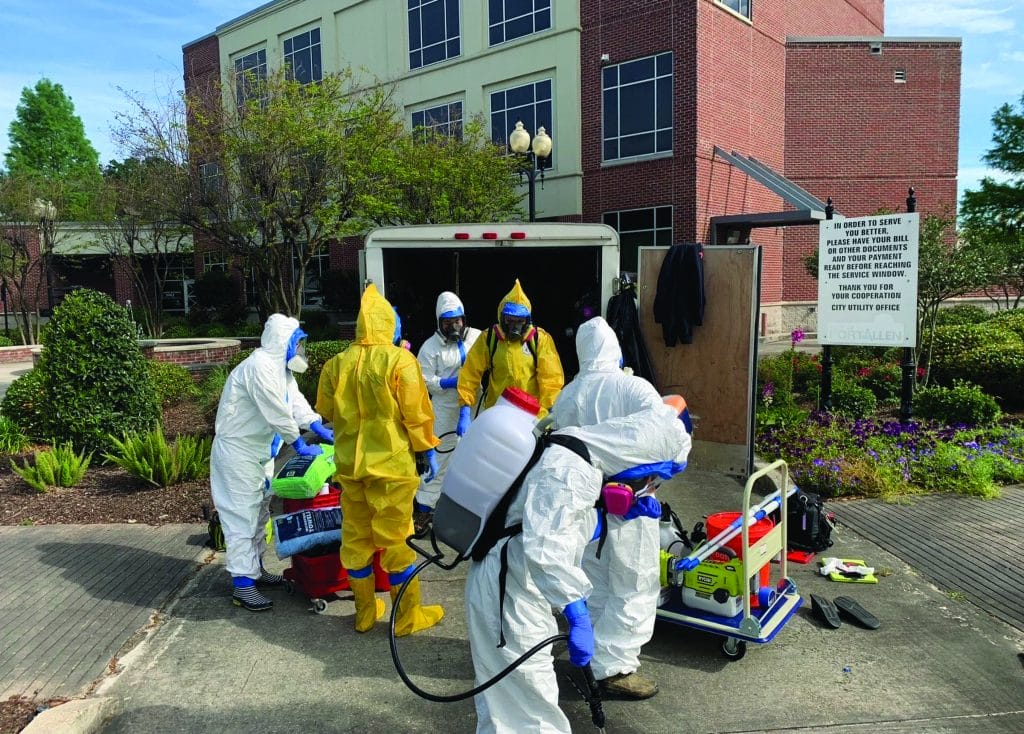
Crime scene cleanup is often viewed as the final step in a case, but remediation professionals frequently see it as the beginning of recovery. Drawing on decades of law enforcement experience and biohazard remediation, Larry Douglas—president and CEO of Xtreme Cleaners—has learned that some of the most dangerous scenes are not necessarily the most dramatic.
Read the full article HERE.
Or download the article here.
